 English
 Español
  Português
  русский
  Français
  Deutsch
  Italiano
  Nederlands
  Polski
  Svenska
  Dansk
Dansk  Suomi
Suomi  Türkçe
  العربية
  Norsk
Norsk  ελληνικά
  український
  български
  Slovenský jazyk
  Română

How to Choose and Use an Oil Heater Efficiently? Article Summary
Article Summary
This article provides a detailed exploration of Oil Heaters, covering key specifications, operational guidance, energy efficiency strategies, and answers to frequently asked questions. It aims to help homeowners and professionals understand how to select, operate, and maintain Oil Heaters effectively for optimal heating performance and safety.
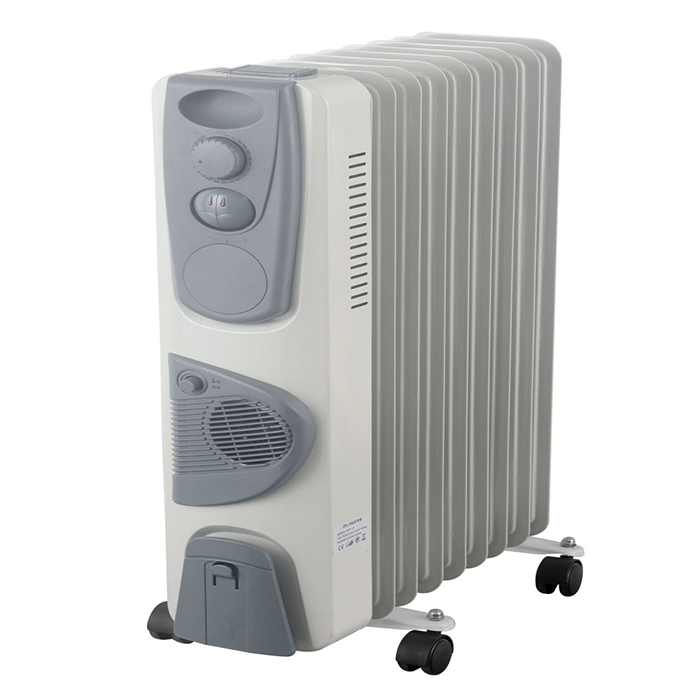
Table of Contents
Introduction to Oil Heaters
Oil Heaters are widely recognized for their ability to provide consistent, safe, and energy-efficient heating in residential and commercial environments. These heaters operate by heating oil within a sealed system, which then radiates warmth across a room. Unlike traditional fan heaters, Oil Heaters offer silent operation, reduced dust circulation, and long-lasting heat retention.
The primary purpose of this article is to guide users through the selection, application, and maintenance of Oil Heaters. This includes an in-depth review of product specifications, safety considerations, and answers to common operational questions. By understanding these aspects, users can optimize comfort and energy consumption while ensuring long-term durability.
Oil Heater Specifications
Understanding the technical specifications of an Oil Heater is crucial for selecting the right model for a specific environment. Below is a detailed table outlining the core parameters of a standard Oil Heater:
| Specification | Details |
|---|---|
| Power Rating | 1000W – 2500W adjustable |
| Voltage | 220-240V AC, 50Hz |
| Heating Element | High-efficiency aluminum alloy fins with thermally stable oil |
| Temperature Control | Thermostat with multiple heat settings (low, medium, high) |
| Safety Features | Overheat protection, tip-over switch, thermal cut-off |
| Mobility | 360° rotatable caster wheels |
| Noise Level | Silent operation (<35 dB) |
| Dimensions | 600mm x 200mm x 500mm (L x W x H) |
| Weight | 12 – 15 kg depending on model |
How to Use an Oil Heater Effectively?
Proper usage of an Oil Heater ensures maximum comfort, energy efficiency, and safety. The following guide outlines key operational steps:
1. Initial Setup
Position the heater on a flat, stable surface away from flammable objects. Ensure sufficient clearance around the device for effective heat distribution.
2. Adjusting Temperature
Select the desired temperature using the thermostat knob. Use lower settings for mild heating and higher settings for cold conditions. Avoid frequent changes to prevent overheating.
3. Energy Efficiency Tips
- Operate at medium heat for extended periods rather than high heat in short bursts.
- Use timers to switch off during sleeping hours or when rooms are unoccupied.
- Combine with insulated windows and doors to retain heat.
4. Safety Precautions
- Do not cover the heater while operating.
- Keep away from water or damp areas.
- Ensure children and pets cannot tip the heater over.
Oil Heater FAQs
Q1: How long does it take for an Oil Heater to warm a room?
A: The heating time depends on the room size and heater power. For a standard 20㎡ room, a 1500W Oil Heater typically takes 15–20 minutes to reach a comfortable temperature. Larger rooms may require longer times or higher power models.
Q2: Can an Oil Heater be left on overnight?
A: Yes, but it must be equipped with an overheat protection feature and placed on a stable surface. Using a timer and lower heat setting is recommended to conserve energy and reduce safety risks.
Q3: How often should Oil Heaters be maintained?
A: Regular maintenance is essential for efficiency and longevity. Clean the exterior every 2–3 weeks, check the oil level if applicable, and ensure that vents are free of dust. Professional inspection once a year is recommended for optimal performance.
Q4: Are Oil Heaters suitable for allergy sufferers?
A: Yes, because they do not rely on fans, they minimize dust circulation. This makes them an ideal option for individuals sensitive to airborne particles.
Q5: How energy-efficient are Oil Heaters compared to other heaters?
A: Oil Heaters are moderately energy-efficient due to their ability to retain heat long after the power is turned off. Combining them with thermostats and timers further optimizes energy consumption.
Conclusion and Contact
Oil Heaters provide a reliable and quiet heating solution for residential and commercial spaces. By understanding specifications, proper usage, and maintenance requirements, users can achieve optimal warmth and energy efficiency while minimizing operational risks.
Ningbo SOYA Electrical Appliance Co., Ltd offers high-quality Oil Heaters that meet international safety and efficiency standards, ensuring long-term performance and reliability. For further inquiries or to explore the full product range, contact us today and receive professional guidance on selecting the ideal Oil Heater for your needs.
Send Inquiry



X
We use cookies to offer you a better browsing experience, analyze site traffic and personalize content. By using this site, you agree to our use of cookies.
Privacy Policy