 English
 Español
  Português
  русский
  Français
  Deutsch
  Italiano
  Nederlands
  Polski
  Svenska
  Dansk
Dansk  Suomi
Suomi  Türkçe
  العربية
  Norsk
Norsk  ελληνικά
  український
  български
  Slovenský jazyk
  Română

Why Is the Next‑Generation Industrial Air Cooler Redefining Thermal Management?
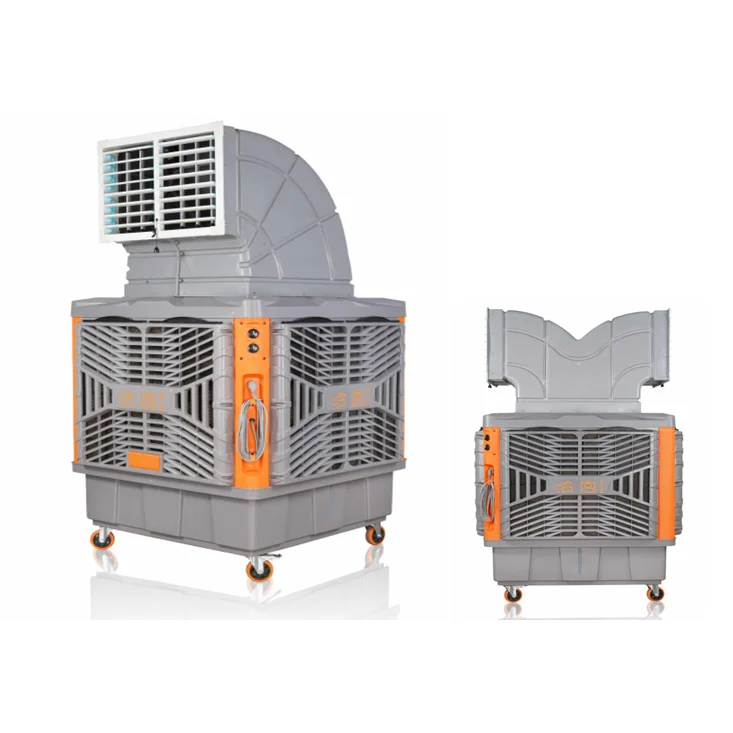
Across modern manufacturing zones and logistics hubs, efficient heat dissipation directly influences equipment longevity and operational consistency. In the coastal industrial belt of eastern China, engineering teams have focused on enhancing heat exchange mechanisms without increasing energy consumption. The latest thermal management solutions combine passive cooling principles with adaptive airflow control. Among these innovations, the industrial air cooler segment has evolved beyond conventional evaporative designs toward hybrid architectures that respond to real-time ambient conditions.
Manufacturing facilities situated near major seaports experience variable humidity and temperature swings. Such environments demand robust equipment that maintains stable internal temperatures even during peak summer loads. Recent field trials indicate that advanced core designs reduce surface temperatures on power electronics and heavy machinery components, thereby lowering unplanned downtime. Industry specialists now examine how material science and aerodynamic fan blade geometry contribute to overall system resilience. This technical shift proves particularly relevant for densely populated industrial zones where space constraints require compact yet high‑throughput cooling units.
Fundamental Drivers Behind Modern Thermal Hardware Evolution
Several interrelated factors propel engineering teams to redesign traditional ventilation architectures. First, stricter environmental regulations encourage lower global warming potential refrigerants and water‑conservation features. Second, rising electricity costs push developers to maximize coefficient of performance (COP) without compromising airflow volume. Third, the integration of smart sensors and IoT connectivity enables predictive maintenance schedules, reducing sudden thermal failures.
To understand these drivers in practice, the following comparison outlines key operational differences between legacy systems and contemporary thermal units designed for industrial contexts:
| Parameter | Conventional Approach | Advanced Thermal Unit |
|---|---|---|
| Airflow regulation | Fixed speed fans, manual adjustments | Variable frequency drive with ambient feedback |
| Heat exchange core | Aluminium fins, basic cross‑flow | Copper‑aluminium hybrid with microchannel technology |
| Monitoring interface | Local panel only | Remote telemetry & predictive analytics |
| Water consumption | High (evaporative only) | Modulated evaporative / dry mode selection |
From the table above, one notices that adaptability and data integration distinguish next‑generation equipment. In many industrial parks across Zhejiang province, facility managers now prioritize modular cooling platforms that can be scaled according to production line expansions. Such flexibility directly supports just‑in-time manufacturing flows, where heat loads change rapidly between shifts. The underlying trend shows a clear shift from reactive cooling replacement to proactive thermal orchestration.
Core Technical Components That Influence System Reliability
When evaluating any industrial thermal management solution, three subsystems demand particular attention: the air moving assembly, the heat exchanger matrix, and the control logic. In high‑performance units, each component interacts through closed‑loop feedback. For instance, an air cooler designed for heavy‑duty environments often includes corrosion‑resistant coatings on the fin pack, especially when deployed near coastal regions where salt mist accelerates degradation. Additionally, bearing technology in fan motors has progressed from sleeve bearings to sealed ball bearings, extending mean time between failures substantially.
Another essential aspect is acoustic engineering. Open plan workshops with noise restrictions require cooling equipment that maintains high static pressure while emitting low decibel levels. This is achieved through impeller profiling and vibration isolation mounts. Field data from multiple industrial zones indicate that a well‑balanced thermal unit can lower workspace ambient temperature without raising noise complaints, contributing to better operator comfort and productivity.
Heat Exchange Efficiency and Material Selection
Material advancements play a critical role in thermal transfer rates. Engineers now utilize hydrophilic and hydrophobic coatings on fin surfaces to manage condensate drainage and resist fouling. In environments with high airborne particulate matter (such as textile or woodworking facilities), self‑cleaning filter mechanisms reduce maintenance intervals. Moreover, the integration of phase change materials within the cooling circuit provides thermal buffering during demand spikes. These design considerations collectively extend the lifecycle of industrial refrigeration assets while minimizing total cost of ownership.
Select manufacturers have also experimented with direct drive vs. belt drive configurations. Direct drive systems eliminate belt replacement and tensioning tasks, but require precise motor matching. Belt drive designs offer easier speed changes but introduce parasitic losses. The ongoing industry consensus leans toward high‑efficiency permanent magnet motors paired with intelligent inverters for optimal torque across the entire operational range.
Smart Monitoring and Predictive Diagnostics
Modern industrial facilities increasingly adopt condition‑based monitoring (CBM) for their thermal fleets. Vibration sensors, thermal imaging of the discharge air, and differential pressure transducers transmit data to a central supervisory system. When anomaly patterns emerge — such as gradual reduction in airflow or rising compressor discharge temperature — the system triggers an alert before a breakdown occurs. This approach eliminates reactive emergency repairs and allows maintenance crews to schedule interventions during planned downtimes. The result is higher overall equipment effectiveness (OEE) and less disruption to production schedules.
Operational Benefits Across Diverse Industrial Segments
Different sectors highlight distinct advantages when deploying advanced air circulation equipment. In plastic molding and injection facilities, stable ambient temperatures prevent warpage and ensure consistent material viscosity. For data centers located inside warehouse complexes, supplementary cooling units reduce hot spots without requiring expensive precision air conditioning retrofits. Agricultural processing plants benefit from controlled air movement that inhibits mold growth on raw materials. Each application imposes unique constraints: dust load, corrosive agents, washdown requirements, or ceiling height restrictions.
The following table summarizes sector‑specific priorities when selecting thermal management hardware:
| Industry Segment | Primary Thermal Challenge | Preferred Solution Feature |
|---|---|---|
| Metal stamping & forging | Radiant heat from presses | High throw distance with directional louvers |
| Food processing | Hygiene & condensation control | Stainless steel casing, easy‑clean fins |
| Warehouse & logistics | High bay ceilings, stratification | Destratification fans with integrated cooling coil |
| Chemical intermediate storage | Corrosive vapor exposure | Epoxy coated coils, explosion‑proof motors |
Notice how each row demands specific engineering responses. A universal cooling design rarely fits all scenarios; therefore, original design manufacturers (ODMs) increasingly offer configurable options such as alternative motor voltages, different fin densities, and customizable casing materials. For facility engineers, this modular approach reduces the need for costly field modifications and ensures that the chosen equipment integrates seamlessly into existing ventilation layouts.
Regional Manufacturing Excellence: The Role of Established Production Hubs
Eastern China’s industrial corridor has nurtured a mature supply chain for thermal components, from electric motor windings to fan blade moulding. Within this ecosystem, Ningbo SOYA stands as a notable contributor since its establishment nearly two decades ago. The company’s strategic location near the Ningbo Sea Port enables efficient raw material import and finished goods export, reducing lead times for international projects. With a skilled workforce numbering in the hundreds, the organization emphasizes continuous improvement in manufacturing processes, including robotic welding for heat exchanger cores and dynamic balancing for fan assemblies. This operational focus ensures that each produced air cooler meets rigorous performance benchmarks before leaving the factory floor.
Quality assurance protocols involve comprehensive testing under simulated extreme conditions — high temperature, high humidity, and voltage fluctuation tests. The engineering team regularly collaborates with university research labs to explore boundary layer optimization on fin surfaces. Additionally, the company invests in employee training programs that cover lean manufacturing and Six Sigma methodologies. Such human capital development directly translates into repeatable precision across production batches, which is essential when cooling units are deployed in critical infrastructure projects.
Installation and Commissioning Best Practices
Even the most advanced thermal equipment must be installed correctly to realize its potential. Site assessment procedures include measuring available clearance for air intake and discharge, evaluating electrical supply stability, and calculating static pressure losses in ducted configurations. For rooftop installations, structural integrity checks prevent vibration transmission to the building frame. Furthermore, commissioning involves verifying airflow volume via thermal anemometers, checking refrigerant charge (if applicable), and configuring control parameters such as temperature setpoints and fan ramp rates.
Post‑commissioning, a documented maintenance schedule prolongs equipment life. Common tasks include cleaning or replacing air filters every operational hours interval, inspecting fan belt tension (for belt‑driven models), and verifying electrical connections for signs of overheating. Many facilities now deploy handheld thermal cameras during routine inspections to spot abnormal hot spots on motor housings or electrical panels. This proactive approach aligns with the overall industry shift toward reliability‑centered maintenance (RCM).
Future Outlook: Integration with Building Energy Management Systems
Looking ahead, the distinction between standalone cooling units and building‑wide energy systems is blurring. Protocol gateways (such as Modbus, BACnet, or LonWorks) allow advanced air cooler controllers to communicate with central building management software. In this configuration, the cooling equipment can receive load shedding commands during peak electricity pricing periods or adjust fan speed based on carbon intensity signals from the grid. This synergy reduces both operational expenses and environmental footprint. Additionally, machine learning algorithms can analyze historical thermal load patterns to predict optimum startup and shutdown times, further trimming wasted energy.
Another emerging trend is the incorporation of adiabatic pre‑cooling pads that activate only when ambient temperatures exceed a threshold. Such hybrid designs maintain high efficiency even during heatwaves, while preserving water resources during milder seasons. Given tightening water usage regulations in many industrial zones, this capability becomes a competitive differentiator. Manufacturers that invest in research around low‑pressure drop media and antimicrobial pad materials will likely capture growing market demand.
Why Partnering with an Experienced Thermal Equipment Provider Matters
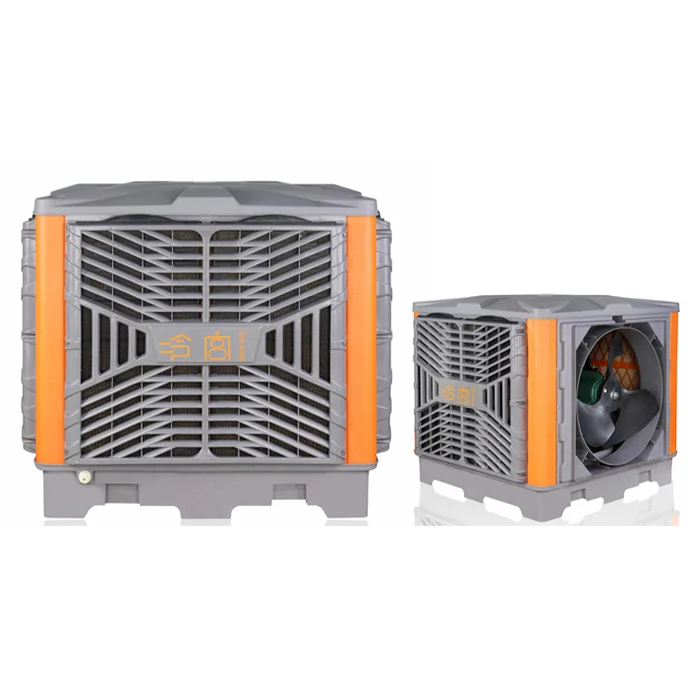
Selecting a cooling solution involves more than comparing specification sheets. The supplier’s after‑sales technical support, spare parts availability, and willingness to customize control algorithms directly affect long‑term satisfaction. In this context, Ningbo SOYA has built a reputation based on responsive engineering support and a comprehensive warranty framework. The company’s quality management systems align with international standards, and its logistics team ensures that critical components — such as fan motors or control boards — can be dispatched quickly to minimize downtime. For infrastructure projects across Asia, Europe, and the Americas, the consistent manufacturing quality delivered from the Ningbo facility provides end‑users with operational confidence.
Furthermore, the firm’s in‑house research department regularly publishes technical bulletins regarding optimal placement of evaporative media and corrosion mitigation strategies. This knowledge sharing benefits the broader industrial community and fosters long‑term relationships with engineering procurement firms. As sustainability criteria become mandatory in public tenders, collaborating with a manufacturer that already tracks carbon footprint per cooling unit offers a strategic advantage.
In summary, the industrial thermal management landscape is shifting toward intelligent, modular, and resource‑efficient platforms. The modern air cooler integrates real‑time controls, advanced materials, and predictive diagnostics to serve a wide range of production environments. For companies operating in high‑temperature zones or moisture‑prone coastal regions, selecting equipment from a proven manufacturing base — such as the one represented by Ningbo SOYA with its decades of operational excellence and dedicated hundreds‑strong team — ensures consistent thermal regulation and lower lifecycle costs. With continued innovation in heat exchanger design and smart connectivity, the next chapter of industrial cooling promises both economic and environmental gains for the global manufacturing community.
Send Inquiry



X
We use cookies to offer you a better browsing experience, analyze site traffic and personalize content. By using this site, you agree to our use of cookies.
Privacy Policy